How to Buy an EV in Germany 2025
How to Buy an EV in Germany 2025: Your step-by-step guide to financing, incentives, and charging.
How to Buy an EV in Germany 2025
Germany, the undisputed engine of the European automotive market, has cemented its position as a global powerhouse in electric mobility. As the market matures and regulatory focus shifts, the rules of acquisition are changing, moving beyond direct consumer subsidies to corporate and infrastructural support.
This evolving environment is crucial for any potential buyer seeking clarity on How to Buy an EV in Germany 2025. This comprehensive report breaks down the new reality, integrating the latest market figures, regulatory changes, and practical steps that define the German EV purchasing scene.
Germany’s Electric Vehicle Market: A Look at the 2025 Growth Drivers
The latest data from the German Federal Motor Transport Authority (KBA) for the first eight months of 2025 (January–August) confirms the market’s robust transformation. During this period, a total of 1,874,820 new passenger cars were registered. Critically, vehicles with alternative powertrains—which include Battery Electric Vehicles (BEV), Plug-in Hybrid Electric Vehicles (PHEV), and Fuel Cell Vehicles—accounted for 1,068,687 units, securing a dominant 57.0% share of the total market. This represents a significant 25.0% increase year-over-year.
The pure BEV segment experienced particularly explosive growth, with 526,828 fully electric vehicles registered. This segment alone saw a remarkable year-on-year growth rate of 46.4%, boosting BEV’s market share to 28.1%. Such dynamic growth underscores the inevitability of the EV transition, even as incentive structures change.
For buyers, these figures mean one thing: choice has never been wider. Every segment—from affordable compact EVs to luxury SUVs—now has electric options, making 2025 one of the best years to find a model tailored to individual needs.
Incentive Redirection: New Rules for Financing Your Electric Vehicle
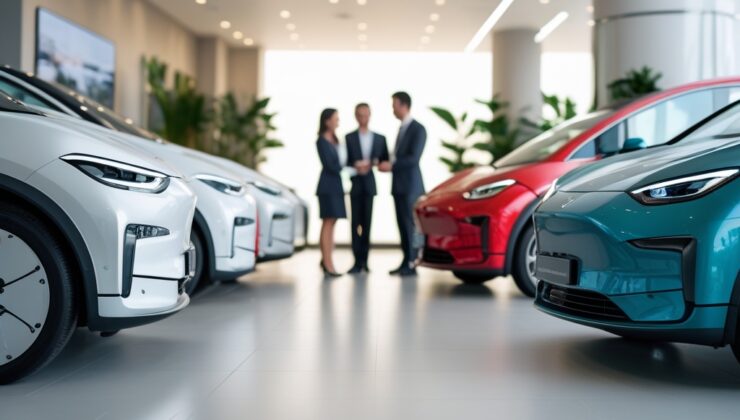
The most profound change for German EV buyers is that the era of the individual Umweltbonus (environmental bonus) ended in 2023. This fundamentally altered the financial calculus for consumers asking How to Buy an EV in Germany 2025.
The new policy, part of the federal government’s “Responsibility for Germany” program and effective July 2025, signals a clear pivot: state support is now focused on the supply side, corporate fleets, and charging infrastructure.
For fleet managers and businesses, this shift is transformative. Fiscal advantages include:
- Accelerated depreciation (degresif AfA): Companies can now convert EV investments into tax advantages over a shorter period, improving liquidity.
- Tax breaks & energy cost reductions: Lower corporate electricity costs and exemptions for EV fleets improve total running costs.
- Special financing lines: Low-interest loans are available for SMEs and start-ups investing in EV fleets or charging networks.
What this means for private buyers: While direct subsidies are gone, vehicle prices are stabilizing due to competition, and manufacturers are stepping in with more attractive leasing programs, zero-interest loans, and bundled wallbox offers.
The Buyer’s Roadmap: Navigating the Purchase Process Without Direct Subsidies

With direct subsidies phased out, the path to a successful EV acquisition in Germany must center on Total Cost of Ownership (TCO) and long-term value. To answer How to Buy an EV in Germany 2025, prospective buyers should consider four essential stages:
Research the Model
- Compare not just list prices but resale value, warranty conditions, and real-world range.
- Pay attention to battery guarantees (often 8 years / 160,000 km in Germany).
Secure Financing
- With no state rebate, bank loans and manufacturer leasing programs become critical.
- Many brands now offer all-inclusive leasing packages covering insurance, maintenance, and charging.
Plan for Charging Infrastructure
- Previous wallbox subsidies are gone, meaning buyers must now budget for installation.
- A standard home wallbox costs between €800–€2,000, plus local installation fees.
- Public charging is widely available: Germany already has >130,000 charging points, but electricity tariffs vary significantly by provider.
Insurance & Running Costs
- Specialized EV insurance is recommended, covering battery damage and roadside charging assistance.
- TCO still favours EVs: charging costs per km are typically 30–40% lower than petrol.
- This roadmap shows that while incentives have shifted, careful planning makes EV ownership in Germany more accessible than ever.
Performance Metrics: Who is Winning the Race in 2025?
Analyzing KBA registration data provides an indispensable guide for buyers:
- Volkswagen (VW): Market leader with 68,004 units registered (domestic dominance).
- BMW: Strong at 31,634 units, thanks to its expanding i-series.
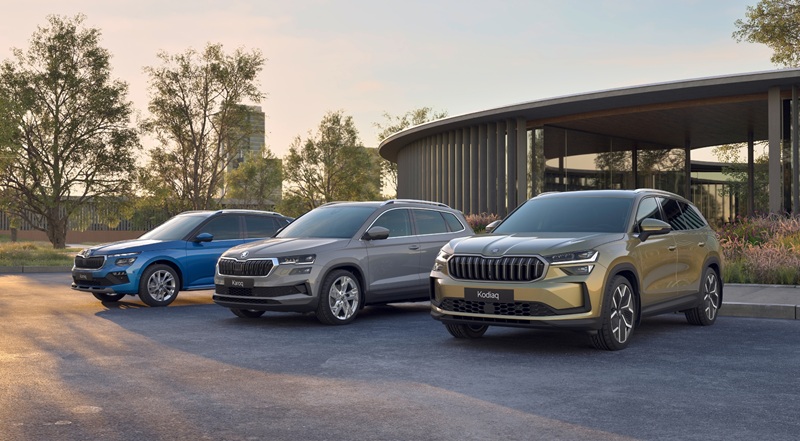
- Skoda: At 30,265 units, the brand leads among imports, offering strong price–value balance.
- Audi: Maintains premium strength with 25,803 units.
- Hyundai: At 17,816 units, remains a trusted non-German brand for affordability and quality.
- Tesla: Sharp decline to 11,441 units (–56.1% YoY), signalling waning appeal amid stronger European competition.
For consumers, this means German brands dominate availability, after-sales service, and resale stability, while Skoda and Hyundai remain competitive for budget-conscious buyers.
Conclusion: Is 2025 the Right Time to Make the Switch?
- The German EV market, characterized by immense growth (+46.4% BEV volume) and a maturing model selection, presents a unique proposition in 2025.
- For corporations and fleets: This is the best time. Accelerated depreciation and tax reliefs make EV adoption financially compelling.
- For private buyers: While direct subsidies are gone, competition has driven down leasing and financing costs. A clear TCO analysis—factoring in fuel savings, resale value, and charging—remains the most effective decision-making tool.
Ultimately, the answer to How to Buy an EV in Germany 2025 is clear: the time is right, but buyers must approach the purchase strategically, focusing on long-term planning, smart financing, and charging readiness.
Click to follow our Instagram page: Vidyoto