How to Buy an Electric Car: Cost, Features & Ownership Tips

When learning how to buy an electric car, understanding costs, charging options is essential to make a smart and hassle-free decision.
How to Buy an Electric Car: Cost, Features & Ownership Tips
The shift to electric vehicles (EVs) represents the most significant change in personal and commercial transport in a century. For first-time buyers and seasoned fleet managers alike, the process of buying an Electric Car involves navigating new terminology, comparing different technology stacks, and calculating long-term costs that go far beyond the sticker price. This comprehensive guide will equip you with the knowledge needed to make a smart, future-proof purchase decision.
Why Switch? Beyond the Pump: True Total Cost of Ownership (TCO)
The initial sticker price of an EV can be daunting, leading many potential buyers to dismiss the idea immediately. However, the true financial picture only emerges when you analyze the Total Cost of Ownership (TCO) over a 5 to 10-year period. This is the first critical step in understanding the economics of buying an Electric Car.
EV Total Cost of Ownership
EVs generally offer a lower TCO than comparable gasoline cars due to two main factors:
- Fuel Savings: Electricity is significantly cheaper than gasoline. While public fast charging can be costly, the vast majority of charging happens affordably at home or at the workplace.
- Reduced Maintenance: EVs have far fewer moving parts. They lack engine oil, spark plugs, complex exhaust systems, and traditional multi-speed gearboxes. This translates to lower maintenance costs and less shop time.
Environmental Impact vs. Performance
Buying an Electric Car aligns your transport choice with Sustainable Driving goals, significantly reducing tailpipe emissions. Yet, sustainability is only half the story. EVs deliver instant, quiet EV Performance thanks to instant torque delivery, providing a uniquely responsive and enjoyable driving experience that often surpasses traditional internal combustion engine vehicles.
Electric Vehicle (EV) vs. Gasoline Car: 5-Year Cost Comparison
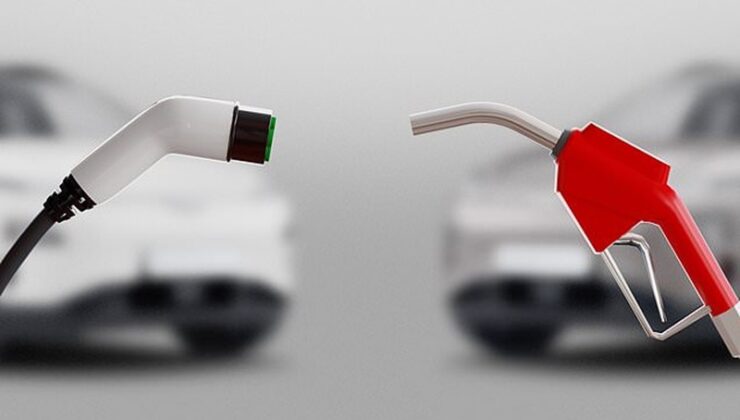
We can create an example 5-Year Total Cost of Ownership (TCO) calculation using current electricity and gasoline prices. Below is a comparison based on up-to-date European prices and assumptions:
1. Assumptions
Annual Mileage: 15,000 km
EV Consumption: 18 kWh/100 km
Gasoline Car Consumption: 7 L/100 km
EV Electricity Price: €0.2872/kWh (EU average)
Gasoline Price: €1.63/L (EU average)
EV Purchase Price: €35,000
Gasoline Car Purchase Price: €25,000
Maintenance Cost (5 years):
EV: €500/year → €2,500
Gasoline Car: €900/year → €4,500
2. Energy / Fuel Costs
EV Electricity Cost:
15,000 km × 18 kWh/100 km = 2,700 kWh/year
2,700 kWh × €0.2872/kWh = €774.44/year
5 years × €774.44 = €3,872.20
Gasoline Car Fuel Cost:
15,000 km × 7 L/100 km = 1,050 L/year
1,050 L × €1.63/L = €1,711.50/year
5 years × €1,711.50 = €8,557.50
3. Total Cost of Ownership (TCO)
EV:
€35,000 (vehicle price) + €3,872.20 (fuel) + €2,500 (maintenance) = €41,372.20
Gasoline Car:
€25,000 (vehicle price) + €8,557.50 (fuel) + €4,500 (maintenance) = €38,057.50
4. Summary
| Category | Electric Vehicle | Gasoline Car |
|---|---|---|
| Vehicle Price | €35,000 | €25,000 |
| Fuel Cost (5 years) | €3,872.20 | €8,557.50 |
| Maintenance Cost (5 years) | €2,500 | €4,500 |
| Total Cost | €41,372.20 | €38,057.50 |
Even though electric vehicles have a higher initial purchase price, savings in fuel and maintenance costs make them a more economical option over the long term.
What to Look For: Comparison and Key Factors
The comparison phase is where buyers make or break their long-term EV satisfaction. When buying an Electric Car, you must prioritize the elements that matter most to your lifestyle and driving habits.
Range Anxiety vs. Real-World Driving Range
This is the most frequent concern. Manufacturers often advertise the optimistic WLTP (Worldwide Harmonized Light Vehicles Test Procedure) figures. What truly matters is the Real-World EV Range.
- Tip: Look at the range figure not for the longest trip you might take, but for 95% of your daily driving needs. Most people drive less than 50 miles (80 km) per day.
- Cold Weather Impact: Range can drop significantly in cold weather due to heating demands and battery chemistry. Factor this into your decision, especially if you live in a cold climate.
Decoding the Charger: Speed, Port, and Network
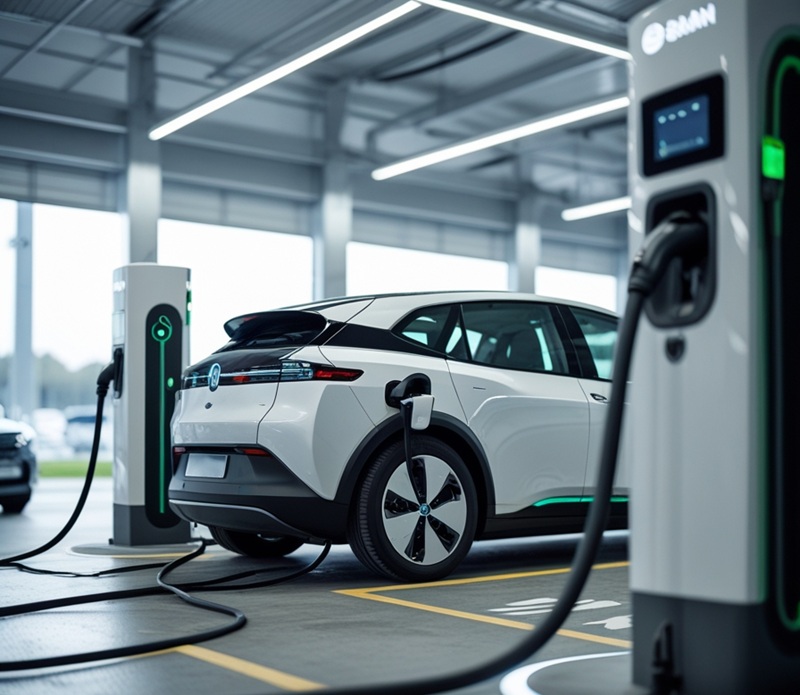
Charging technology is complex but vital. Understanding the EV Charging Network and the types of charging is essential:
- AC vs DC Charging: AC (Level 2) is slower (for home/overnight) but gentler on the battery. DC (Level 3 or Fast Charging) is rapid but should be reserved for road trips or quick top-ups.
- Port Types: Ensure the vehicle’s charging port (e.g., CCS, NACS/Tesla, CHAdeMO) is compatible with the most widely available EV Charging Network in your region.
The Battery Dilemma: Size, Degradation, and Warranty
The battery is the most expensive component of an EV.
- Size (kWh): A larger battery offers more range but also takes longer to charge and adds cost.
- Battery Degradation: All batteries lose capacity over time. However, modern EVs manage this well. Look for the manufacturer’s guarantee, known as the EV Battery Warranty. Most companies guarantee the battery will retain 70-80% of its capacity after 8 years or 100,000 miles.
How to Buy: The Process and Smart Tips
The process of buying an Electric Car is slightly different from buying a gasoline vehicle, particularly in the pre-purchase and delivery phases.
Test Driving an EV: What to Look For
Your test drive should focus on unique EV characteristics:
- Regenerative Braking: This system recaptures energy when you slow down, extending range and reducing brake wear. Practice using it; some cars allow One-Pedal Driving, which completely changes the driving dynamic.
- Quietness: Pay attention to cabin noise at highway speeds, as the silence of the engine makes wind and road noise more noticeable.
Home Charging Installation 101
If you have private parking, Home EV Charger Installation is a game-changer. It provides unparalleled convenience and the lowest charging cost.
- Determine Power: Decide if you need a Level 1 (standard wall outlet, very slow) or a Level 2 (dedicated 240V circuit, much faster). A Level 2 installation requires a qualified electrician.
Buying a Used Electric Car: Risks and Rewards
The Buying Used Electric Car market is growing, offering significant savings. The main risk is battery health.
- Battery Health Check: Always request a recent Battery Health Check report (often called State of Health or SoH) from a dealership. This report confirms the battery’s current capacity compared to when it was new. A vehicle with an excellent warranty remaining is generally a safe bet.
Mastering the art of buying an electric car means shifting your focus from short-term costs to long-term operational efficiency and embracing new technologies. With the right research, your transition to electric mobility will be seamless and rewarding.
Click to follow our Instagram page: Vidyoto