The Importance of Winter Tire Use 2025

Experts emphasize The Importance of Winter Tire Use, noting its critical role in road safety and long-term cost efficiency during cold seasons.
The Importance of Winter Tire Use 2025
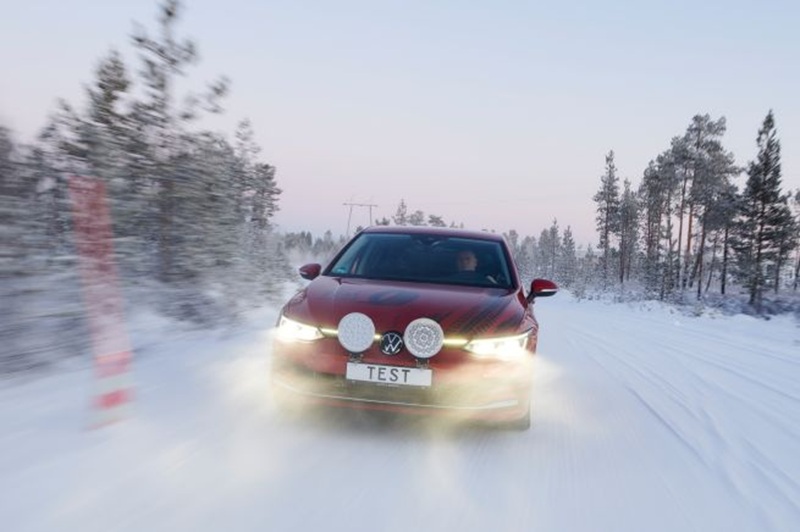
Life-saving grip in winter often comes down to one detail: the tire. Studies consistently confirm that braking distances are cut by up to 50% on icy surfaces when vehicles use proper winter models. This dramatic difference highlights not only legal obligations but also life-saving advantages on icy and snowy roads.
The Necessity of Seasonal Tires
Every winter, European and North American traffic authorities report spikes in accidents linked to icy or snowy roads. Studies consistently confirm their necessity: braking distances with proper winter tires can be reduced by up to 50% compared to summer models on icy surfaces. This dramatic difference is a matter of physics.
Rubber hardens as temperatures drop, reducing grip on the road. Winter tires, designed with softer compounds and specialized tread patterns, remain flexible even at –20°C. This adaptability ensures vehicles retain traction where summer tires fail. For parents transporting children, commuters facing early-morning ice, or long-distance drivers navigating mountain passes, these few extra meters of grip can mean the difference between a safe journey and a serious collision.
In Scandinavia and Canada, where conditions are often extreme, accident rates drop by as much as 40% when winter tires are widely adopted. Even with modern car technology like ABS and stability control, mechanical grip from tires remains the foundation of safety. Simply put, this seasonal switch remains the foundation of vehicle safety.
Legal Obligations Across Europe
Seasonal compliance is further reinforced by cross-border travel regulations. Requirements differ across Europe but are growing stricter year by year. Germany enforces a “situational obligation,” meaning drivers must use proper tires whenever conditions warrant it, with fines starting at €60. In Austria, winter tires are mandatory from November 1 to April 15, with penalties that can rise to €5,000 if accidents occur. Scandinavian nations, including Sweden and Finland, require them during specific winter months, while Switzerland does not impose universal laws but makes drivers liable for accidents caused by unsuitable tires.
A motorist driving from France into Germany in December risks penalties within minutes if snow is present and proper tires are absent. Insurance coverage is also affected, as companies may reject claims if the driver failed to comply with seasonal tire rules.
This legal framework highlights that compliance is not merely a bureaucratic hurdle but an integral aspect of safe and responsible driving during winter.
Physical and Technical Differences

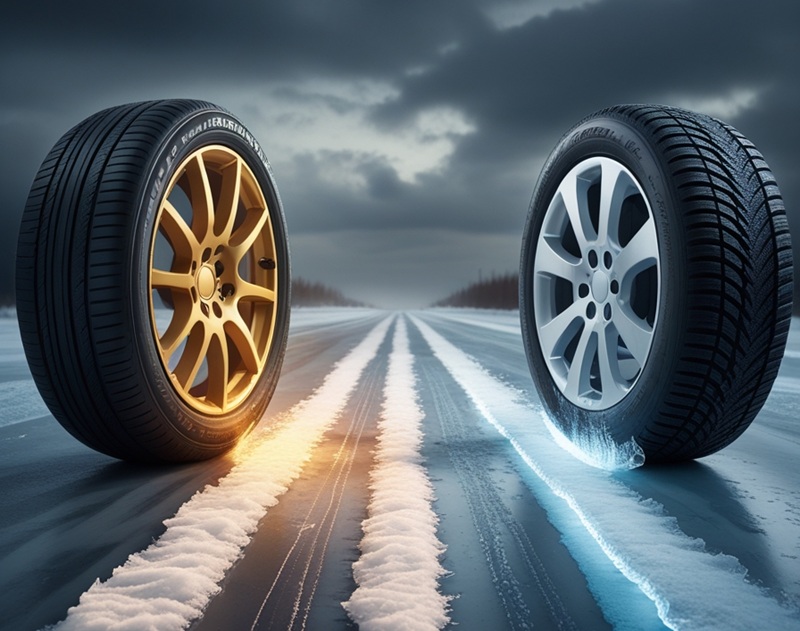
The superiority of winter tires stems from engineering. Unlike summer tires, which prioritize dry-road grip and heat resistance, winter tires use a rubber compound rich in natural rubber and silica, maintaining elasticity in sub-zero temperatures.
Tread design also matters. Winter tires feature deeper grooves and thousands of micro-sipes—small slits in tread blocks—that grip snow like claws and channel water away to prevent hydroplaning. Laboratory tests underscore their superiority: braking distances on ice shrink by up to 30%, while traction on snowy inclines increases substantially.
The widely recognized “7°C rule” is key: once temperatures drop below this point, summer tires begin to harden, drastically reducing their safety margin. Winter tires, by contrast, are engineered to function reliably between –30°C and +7°C, ensuring consistent performance.
Impact on Fuel Consumption
Concerns about higher fuel use are common, yet largely outdated. Older winter tires indeed increased rolling resistance, but modern designs have closed the efficiency gap. According to ADAC testing, the latest models consume only 2–3% more fuel than summer models.
For a compact car averaging 6 liters per 100 km, this equates to 0.1–0.2 liters more fuel. In exchange, drivers gain vastly improved safety. Insurance and safety experts argue that the slight rise in fuel costs pales compared to the financial and emotional toll of an accident.
A closer look at winter tire performance shows that while fuel consumption can increase marginally, innovations such as low-rolling-resistance winter tires are narrowing the gap even further. For eco-conscious motorists, this development strengthens the case for making the seasonal switch.
Long-Term Cost–Benefit Balance
The financial argument often deters drivers from investing in winter tires. However, in practice, alternating between summer and winter sets prolongs the life of each, effectively doubling durability. A set of summer tires that would last four years alone may last six to eight years when alternated with winter tires.
Moreover, vehicles sold with both summer and winter sets typically command higher second-hand values in colder markets. The upfront cost of around €500 for a quality winter set is offset by extended tire lifespan, improved safety, and reduced accident risks.
Fleet operators and taxi companies demonstrate the value of this investment from a financial perspective as well. By equipping their vehicles seasonally, they reduce downtime, minimize insurance claims, and extend tire longevity, leading to significant savings across large fleets.
Who Should Definitely Use Winter Tires?
Although all drivers benefit, some groups are at greater risk without proper tires. Commuters in mountainous areas face treacherous inclines, requiring reliable grip to avoid sliding. Professional drivers and long-distance truck operators depend on winter tires to protect cargo and ensure punctual deliveries.
Families, particularly those with young children or elderly passengers, also benefit greatly. Insurance companies in some markets recognize the safety benefits by offering lower premiums for vehicles equipped with proper seasonal tires. Novice drivers, who may lack experience handling vehicles in snow and ice, are strongly advised to use them for added security.
Choosing the Right Tire: Key Criteria
Picking the correct winter tire requires attention to several factors. Compatibility with manufacturer specifications on size and load index is essential. Tires that deviate from recommendations compromise handling and may void insurance.
Performance ratings are another factor. Tires are independently tested for wet grip, snow performance, and rolling resistance, with results published by organizations like ADAC, TÜV, and ÖAMTC. These reports provide valuable guidance for consumers navigating a crowded market.
The tire’s DOT code reveals its manufacturing date. Experts caution against tires older than three years, as rubber naturally degrades over time. Finally, while budget options exist, premium brands consistently demonstrate superior performance in braking, noise reduction, and longevity. The winter tire mandate highlights that choosing the right tire is not only about affordability but about securing the best possible protection on the road.
Winter Tire Crisis: New EU Laws and ADAC Data Show M+S Tires Now Obsolete
Life-saving grip in winter often comes down to one detail: the tire. As of the 2024/2025 winter season, major regulatory deadlines have passed in Germany and France, making older M+S-only tires illegal in key driving conditions. New data from ADAC and regional authorities confirm that failure to comply, or using worn tires, drastically increases accident risk, with braking distances increasing by up to 50%.
EU Regulation Tightens: The Critical Shift to 3PMSF
The European winter tire landscape has undergone a pivotal transformation, shifting regulatory focus from the manufacturer-certified M+S marking to the performance-tested 3PMSF (Three-Peak Mountain Snowflake) symbol.
This change culminated with key deadlines that affect millions of drivers across Europe:
- Germany (Mandatory Alpine Symbol): Since October 1, 2024, only tires marked with the Alpine Symbol (3PMSF) are considered legally compliant for winter driving conditions. The previous use of the M+S-only marking is no longer sufficient. Fines for non-compliance start at €60.
- France (High-Risk Zones): The transition period for M+S tires in mountainous zones (marked by B26/B58 signs) ended on November 1, 2024. Drivers in these 34 départements must now use 3PMSF-marked winter tires or carry snow chains, facing potential fines of €135 and vehicle immobilization.
- Denmark (New Law): A new law effective July 1, 2025, mandates that vehicles must be fitted with tires suitable for winter conditions (i.e., bearing the snowflake symbol) when weather warrants. Non-compliance can result in a fine of DKK 1,000 (approx. €134) per tire.
- Austria: The situational mandatory period remains from November 1 to April 15. Penalties can escalate up to €5,000 in the event of an accident where non-compliant tires are a factor.
The Safety Cost: Braking Distance Analysis
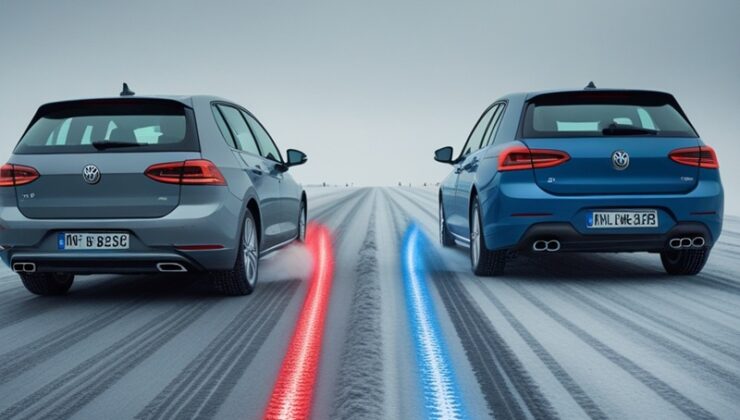
New testing highlights the severe risks associated with using inadequate or worn tires, emphasizing that safety is not guaranteed even with modern vehicle technology.
Experts, including those from ADAC, warn drivers that while the legal minimum tread depth is low (often 1.6mm), the safety margin of a winter tire is compromised below 4 mm. Below this threshold, braking distances can increase by up to 50% on icy surfaces, turning a minor stop into a collision risk.
Market Trends: The All-Season and EV Factor
The European Tire Market, projected to reach $46.55 Billion in 2025, is seeing two major trends:
- Rise of All-Season Tires: The market share of all-season tires in Europe reached 47.15% in 2024 and is expected to grow at a 3.88% CAGR. This shift is often driven by consumer convenience but necessitates the use of 3PMSF-marked all-season tires to remain compliant in regulated zones.
- Usage Rate: Data from nations with mandatory use laws demonstrates the effectiveness of seasonal switching. The Norwegian Public Roads Administration reported that private passenger cars achieved over 90% winter tire usage during the 2023 season, setting a benchmark for driver compliance and safety consciousness.
As winter approaches, drivers face crucial choices. Seasonal tires are often seen as a burden, but in reality, they represent one of the most effective safety investments a motorist can make. Backed by decades of data and reinforced by modern engineering, the necessity of seasonal tires is evident in accident statistics, financial savings, and peace of mind.
From legal compliance to real-world safety, from cost efficiency to protecting passengers, the message is clear: winter tires are not optional—they are essential. Whether navigating city streets, rural highways, or alpine passes, drivers who recognize the critical safety difference place themselves, their families, and other road users in the safest possible position for the challenges of winter driving.
Click to follow our Instagram page: Vidyoto