Adac Winter Tire Test Results 2025 Announced
 REKLAM
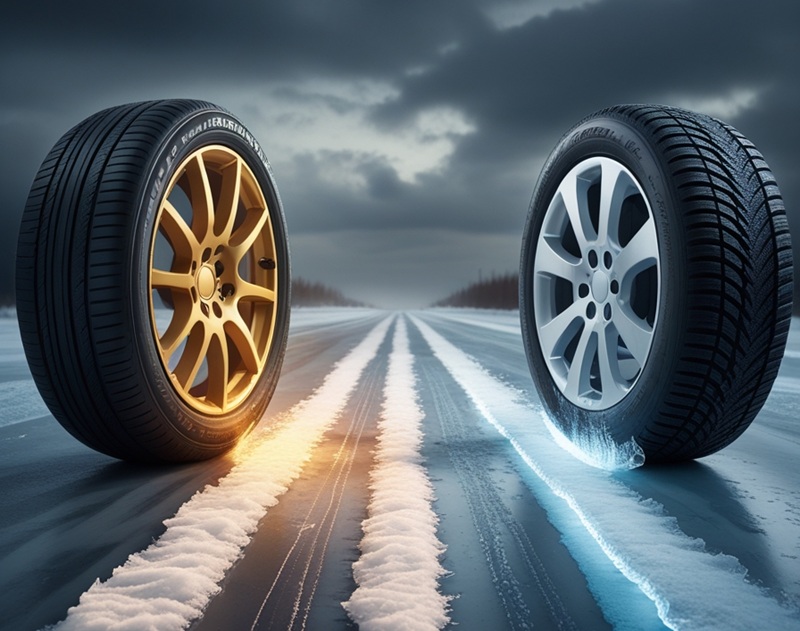
The ADAC Winter Tire Test Results, which examined 31 models in the 225/40 R18 dimension, have been announced.
Adac Winter Tire Test Results 2025 Announced
The automotive world is currently facing a sobering reality check as one of the industry’s most respected safety bodies releases its most extensive and critical evaluation yet. The ADAC Winter Tire Test Results 2025, focusing on the popular 225/40 R18 dimension, serve as an urgent warning to consumers: when driving safety is on the line, the budget price tag often comes with a lethal hidden cost.
Testing an unprecedented 31 models—a deliberate push to evaluate the proliferation of low-cost tires in the market—the German motoring club found that nearly half of the contenders, 15 models in total, cannot be recommended to the public. More alarmingly, 11 of these models fell short so dramatically that they received an outright failure rating. This comprehensive data highlights an intensifying and dangerous gap between premium engineering and no-name manufacturing, making the published findings essential reading for every driver preparing their vehicle for the cold season.
The findings from the 2025 assessment are clear: while modern tire technology allows premium manufacturers to expertly balance performance across varying conditions—snow, ice, wet, and dry—many cheaper alternatives simply cannot reconcile these conflicting demands. For the first time, this test underscores the stark difference between a tire designed merely to carry a vehicle and one engineered to save a life in an emergency.
The ADAC Winter Tire Test Results 2025 are a critical reference point, demonstrating unequivocally that skimping on tire quality means directly compromising on emergency handling and, critically, braking distance.
The Undeniable Rise of Premium Dominance
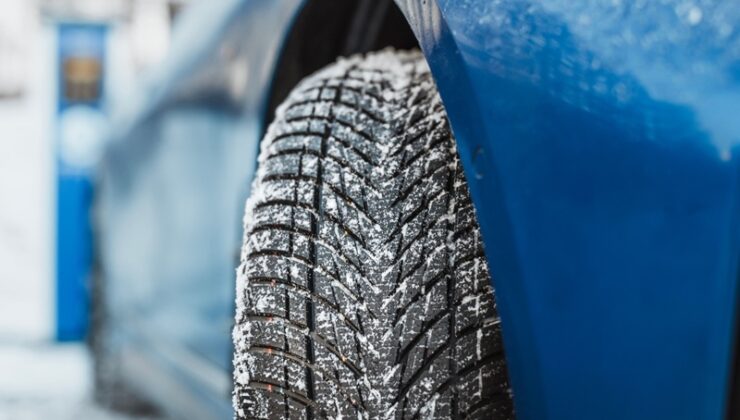
In the rigorous 2025 evaluation, the premium segment once again demonstrated an overwhelming superiority, validating the market’s perception that cutting-edge safety and longevity require significant investment in research and development. Setting the gold standard in a highly competitive field was the Goodyear UltraGrip Performance 3, which secured the top spot with an excellent overall ADAC rating of 2.0. This victory was earned not just through superior handling but through a highly balanced profile that addresses the modern consumer’s economic concerns as well as their safety needs.
The Goodyear model was particularly praised for its dynamic handling on wet surfaces, a feature crucial for much of Central Europe’s winter driving, which often involves cold, wet roads rather than deep snow. Furthermore, its impressive predicted mileage of over 76,000 kilometers means that the initial investment pays dividends through an extended service life, making it a compelling, long-term value proposition despite its premium price.
Hot on its heels, securing a very close second place, was the Michelin Pilot Alpin 5, achieving an overall rating of 2.1. This model, like the Goodyear, completed all the challenging test criteria without any significant safety-related flaws. Other top performers from brands like Bridgestone and Dunlop also received the desirable “Good” rating for driving safety, proving that the established European and global manufacturers are consistently delivering the necessary balance of wet, dry, and snow performance. When analyzing these top-tier finishes, The ADAC Winter Tire Test Results affirm that the best products are masters of compromise, ensuring a vehicle maintains stability and responsiveness across the volatile conditions of winter.
A Terrifying Safety Deficit on Wet Asphalt
While the top-tier performance is reassuring, the most alarming conclusions from The ADAC Winter Tire Test Results 2025 lie at the bottom of the scoreboard. ADAC’s explicit goal was to scrutinize the rapidly growing budget segment, and the data paints a picture of critical safety failures. The single most terrifying finding came from the mandatory wet braking test, conducted from a speed of 80 km/h. This scenario is a common emergency situation on rain-slicked winter roads, and the results exposed a life-threatening gap in performance.
When the test vehicle, equipped with a top-rated tire, had already come to a complete, safe stop, the same vehicle fitted with the Syron Everest 2—one of the models receiving an “Inadequate” rating—was still traveling at a bone-chilling speed of over 45 km/h. At this residual speed, a vehicle is still capable of causing severe or fatal injury. This is the clearest evidence that any initial cost savings on budget tires evaporate when faced with an emergency, replaced by an unacceptable increase in risk.
The failure of 11 models outright, coupled with 4 more that were deemed “Insufficient,” sends a powerful signal: the market is flooded with tires bearing the mandatory M+S or Three-Peak Mountain Snowflake (3PMSF) symbol, which technically permits their use in winter, but which, under rigorous testing, simply cannot deliver the basic level of safety required. These manufacturers are struggling to meet the minimum requirements for braking and handling, especially in the treacherous combination of low temperatures and wet asphalt.
The European Testing Gauntlet: Rigor and Real-World Relevance
The credibility and global relevance of The ADAC Winter Tire Test Results 2025 stem directly from the organization’s famously comprehensive and multi-location testing methodology. To ensure the assessment was not skewed by any regional climate, the 31 test subjects were put through a grueling gauntlet across three distinct European sites, replicating the diverse environments drivers face throughout the continent.
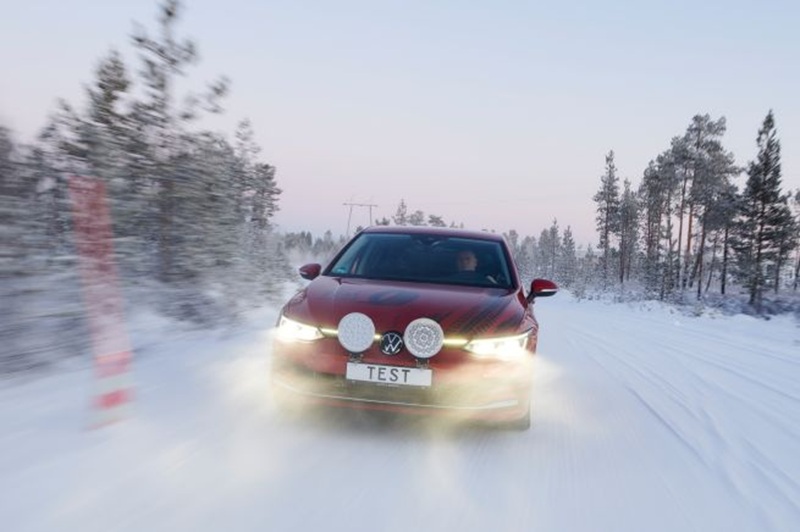
High-speed handling and braking evaluations on dry pavement—essential for tires that spend considerable time on cleared motorways—were meticulously conducted in the sunny, high-performance setting of Italy. The critical wet performance assessments, including hydroplaning resistance, wet braking, and initial ice tests, took place at the specialized test facilities in Hanover, Germany. Finally, to push the tires to their absolute grip limits on true winter surfaces, the test team traveled to the extreme north of Finland for the dedicated snow traction, braking, and deep-snow handling evaluations.
This exhaustive, multi-stage process guarantees that the published findings are a true, real-world reflection of a tire’s capabilities and limitations, cementing The ADAC Winter Tire Test Results 2025 as the definitive authority for winter tire purchases. The complexity of balancing performance across such a wide array of surfaces is precisely why only the most advanced compounds and tread designs are capable of earning the top recommendation.
The 225/40 R18 Dimension: A High-Stakes Segment
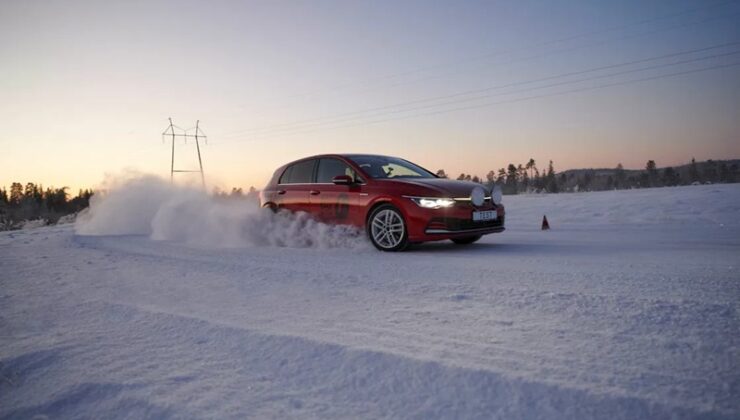
The decision to focus the largest-ever evaluation on the 225/40 R18 dimension is no accident; this size has become increasingly standard on popular, high-volume compact and mid-range performance vehicles, from the VW Golf and Audi A3 to various modern crossovers and sedans. Drivers choosing this low-profile, wider tire size are often seeking a balance of comfort, dynamic handling, and aesthetic appeal.
Therefore, the poor performance of nearly half the tested field in this specific, high-demand segment is particularly concerning. The inherent nature of a 225/40 R18 tire—a wider contact patch and lower sidewall—already demands excellent grip characteristics from the rubber compound, as the tire must quickly dissipate water and maintain traction under dynamic loads.
When manufacturers compromise on compound quality to meet a low price point, the consequences in this dimension are magnified, leading to the unpredictable handling and alarming braking distances recorded in the failing models. This detailed focus makes The ADAC Winter Tire Test Results directly applicable to millions of drivers who own vehicles in this class.
Beyond the Scorecard: Mileage and Long-Term Value
While emergency safety rightly dominated the headlines, the 2025 ADAC test continued its commitment to environmental and economic balance—criteria that account for 30% of the final score. This includes assessing rolling resistance (fuel consumption), noise generation, and, crucially, projected mileage and tire wear. It is here that the premium winners further cement their value proposition.
The Goodyear UltraGrip Performance 3’s exceptional forecast of over 76,000 kilometers stands in stark contrast to models that wear out prematurely. High mileage translates directly into reduced running costs and a lower environmental impact, as fewer tires need to be produced and replaced over the life of the vehicle.
This aspect of The ADAC Winter Tire Test Results provides consumers with a complete picture: investing in a premium product means not only buying superior safety but also securing significantly better long-term economy. A tire that costs marginally more but lasts 20,000 kilometers longer is, in the end, the cheaper and more environmentally responsible choice.
ADAC’s Final Verdict: A Consumer Mandate
The overarching conclusion derived from The ADAC Winter Tire Test Results 2025 leaves no room for ambiguity: in winter driving, you get what you pay for. The motoring organization strongly advises all drivers who live in regions that frequently experience snow, ice, or sustained low temperatures to invest the necessary funds in one of the top-rated, premium models. The safety margin provided by these products—the difference between a near-miss and a severe accident—is too vast to ignore.
However, ADAC offers a nuanced recommendation for other drivers. For those who are only occasional drivers in more temperate areas and who have the flexibility to leave their car parked on the few days when conditions are genuinely treacherous, some of the mid-range “satisfactory” models may represent a functional and acceptable compromise.
Furthermore, The ADAC Winter Tire Test Results 2025 confirm that for drivers in very mild climates who rarely encounter freezing temperatures, a high-quality all-season tire could be a reasonable, year-round alternative, though this choice inherently accepts a slight compromise in performance at the extremes. Ultimately, this detailed report serves as a mandatory checklist before purchase; every driver must consult The ADAC Winter Tire Test Results and select a tire that aligns with their specific driving conditions and, above all else, prioritizes safety.
Click to follow our Instagram page: Vidyoto